Before choosing new tiles, paint or kitchens for an older villa, inspect what you cannot see: the roof and waterproofing, structural cracks and concrete condition, electrical capacity and wiring, plumbing and drainage, and air-conditioning. Fixing these first, in the right order, stops new finishes being damaged by old problems and gives you a realistic budget.
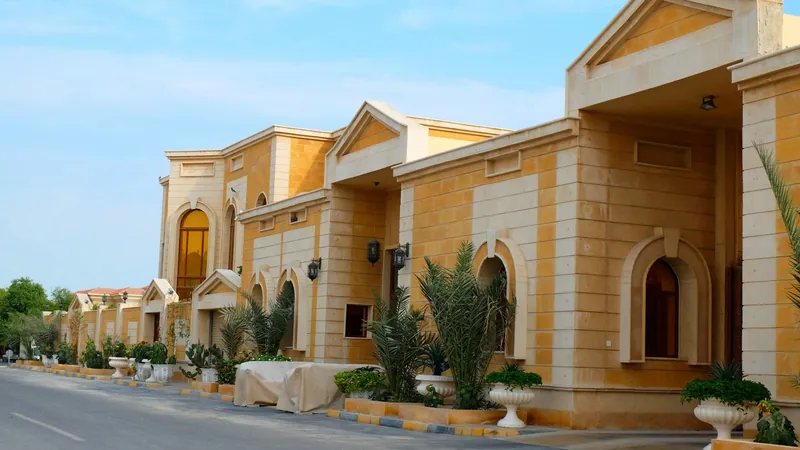
Older villas in Qatar often have generous plots and solid structures, which makes them good candidates for renovation. But a villa built fifteen or twenty-five years ago was designed for different loads and standards, and some of its hidden systems may be near the end of their life.
Why inspection comes first
The most common renovation regret is spending on finishes and then opening them up again: tiling a bathroom before discovering the pipes are failing, painting a ceiling that later stains from a roof leak, or installing more AC units on a board that cannot carry the load. An inspection turns surprises into planned work.
The inspection checklist
1. Roof and waterproofing
- Age and condition of the roof membrane
- Drains, falls and ponding
- Parapet cracks and upstands
- Stains on top-floor ceilings
2. Structure and concrete
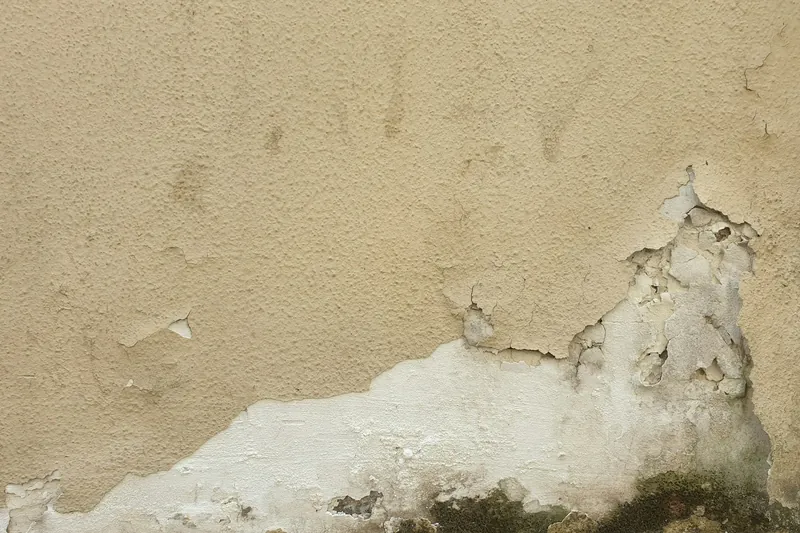
- Cracks in walls, beams and slabs, and whether they are hairline or wide and stepped
- Spalling concrete or rust stains, which can indicate corroding reinforcement
- Doors and windows that bind or are out of square
- Any past additions built without proper connection
Hairline plaster cracks are common. Wide, diagonal or growing cracks, and exposed rusted steel, need assessment by a structural engineer before renovation.
3. Electrical installation
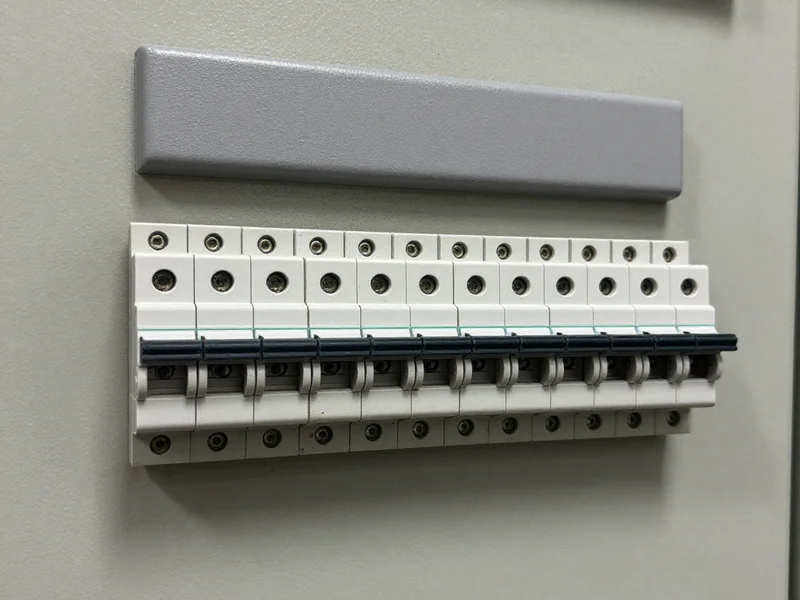
- Age and condition of the distribution board
- Breakers that trip or run warm
- Earth leakage protection and earthing
- Enough capacity for today's AC, kitchen and appliance loads
- Discoloured sockets, old cable types, unsafe extensions
4. Plumbing and drainage
- Pipe materials and age, water pressure, rust-coloured water
- Meter test for hidden leaks
- Roof tanks, float valves and pumps
- Slow drains, smells and manhole condition
5. Wet areas
- Bathrooms and kitchens with damp, hollow tiles or stains below
- Whether waterproofing will need to be redone
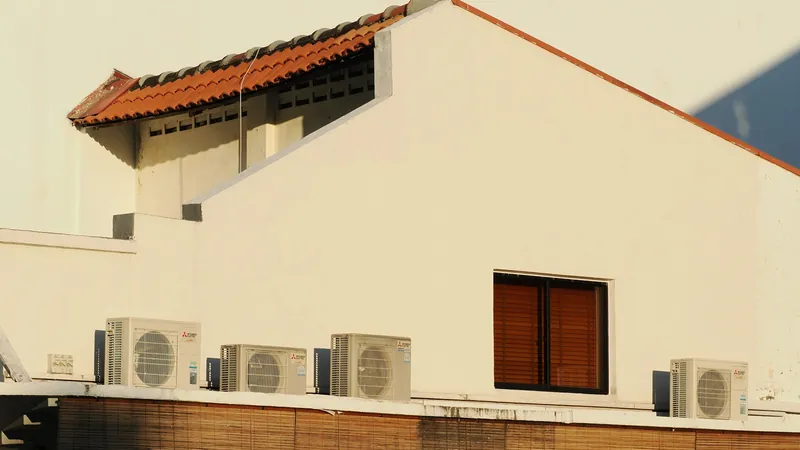
6. Air-conditioning
- Age and efficiency of units
- Condensate drainage routes and leaks into ceilings
- Position of outdoor units on the roof and their fixings
7. Envelope
- External render cracks, paint condition
- Window frames, seals and glass
- Doors, thresholds and dust ingress
The right order of work
- Structure and roof: make the building sound and watertight.
- Services first fix: electrical, plumbing, drainage and AC routes while walls and ceilings are open.
- Wet areas: waterproofing, falls and testing.
- Walls and ceilings: render repairs, gypsum, partitions.
- Floors: screeds and tiling or stone.
- Joinery, doors and windows.
- Painting and final fixtures.
- Exterior: render repairs, painting, boundary walls and landscaping.
If you live in the villa during the work, phase it room by room or floor by floor, but keep the logic: never finish a room whose services or roof still need opening.
Permits and approvals
Cosmetic renovation generally does not need the same approvals as structural changes or extensions, but changes to structure, layout, facade or electrical load may. For anything beyond finishes, check with an accredited engineering consultant, and for significant electrical load increases, KAHRAMAA's requirements may apply. Tenants need written landlord consent, and compound villas may need management approval.
If the renovation includes an extension or annex, read our guide to adding a room or annex to your villa.
Budgeting realistically
- Separate essential works (roof, structure, safety, services) from upgrades (finishes, kitchens, lighting).
- Keep a contingency for what is found when walls and floors are opened.
- Ask for quotations broken down by trade and stage.
- Price long-lead items such as windows, kitchens and imported tiles early.
Common mistakes
- Choosing finishes before the inspection
- Painting over damp without finding the source
- Adding AC load without checking the electrical supply
- Retiling bathrooms without renewing pipes and waterproofing
- Ignoring cracks that need an engineer
Frequently asked questions
Is it worth renovating an old villa or better to rebuild?
It depends on the structure, the plot rules and what you need. A sound structure usually makes renovation worthwhile; serious structural problems may change the decision. An engineer's assessment helps.
Do I need to rewire an older villa?
Not always. An electrical inspection shows whether the board, wiring and earthing are adequate for current loads, or whether partial or full rewiring is advisable.
Can I live in the villa during renovation?
Often yes, if work is phased and services are kept running in occupied areas. Dust, noise and water or power interruptions should be planned for.
How long does a villa renovation take?
It depends entirely on scope. A stage-by-stage schedule after inspection is more reliable than any general estimate.
Next steps
Book an inspection before you finalise the design, then plan the work in the right order with a clear budget split. Our villa and majlis renovation service covers full and phased renovations, and our wider renovation team handles the trades involved. For specific areas, see our guides to roof leaks, bathroom renovation and electrical warning signs.
Sources and further reading
- KAHRAMAA Electricity Wiring Code: km.qa (PDF)
This guide gives general information for property owners in Qatar. Every building is different, so the right solution depends on an on-site inspection. Regulations change; confirm current requirements with the relevant authority or an accredited consultant. Photos credited to Unsplash are stock images, and images marked illustrative are AI-generated. Neither shows an Ample Trading project.