A good bathroom renovation is decided before the first tile comes off. Fix the layout, the fixtures and the finishes first; then the work follows a set order: strip out, plumbing and electrical first fix, wall and floor preparation, waterproofing and a water test, tiling, then fixtures, glass and final connections. Most problems people regret, such as leaks, poor drainage and uneven tiles, come from skipping or rushing one of those middle steps.
Bathrooms take more planning per square metre than any other room in the house. Water, drainage, electricity, ventilation and finishes all meet in a small space, and once the tiles are on, mistakes underneath are expensive to reach.
This guide walks through the decisions to make, the order the work should follow, and the points worth checking along the way, with notes that apply to villas and apartments in Qatar.
Step 1: Decide what you are changing
Start by being clear about the scope. It sets the timeline and the cost more than any choice of tile.
- Refresh: new fixtures, accessories and perhaps new tiles over a sound base, keeping the same layout.
- Full renovation, same layout: strip back to the walls and slab, renew pipes, waterproofing and finishes, keeping the toilet, shower and basin roughly where they are.
- Full renovation with layout changes: moving the toilet, converting a bathtub to a walk-in shower, or enlarging the room. This is where drainage and structure need the most thought.
The toilet position matters most. A toilet connects to a large drain with a required fall, so moving it can mean raising the floor, cutting into the slab or rerouting pipes through the ceiling of the room below. In apartments, this may not be possible at all. Showers and basins are easier to move, but still need a drain path with enough fall.
Step 2: Check the practical constraints
Apartments and towers
Many buildings in Doha, Lusail and The Pearl have rules for renovation work: approval from building management, permitted working hours, noise limits, protection for lifts and corridors, and sometimes restrictions on heavy demolition. If you rent, the landlord's written consent comes first. Get these rules in writing before you book a contractor, because they affect how long the job takes.
Villas
In villas there is usually more freedom, but check what is under and around the bathroom. A first-floor bathroom sits above a ceiling you will see every day, and a leak there shows quickly. A ground-floor bathroom may have drains running under the slab to an external manhole, which affects how easily a drain can be moved.
Ventilation
Qatar's humidity and the heavy use of air-conditioning mean bathrooms with poor extraction stay damp. Plan for an extractor fan vented to the outside, sized for the room, not just a fan that moves air into the ceiling void.
Step 3: Choose fixtures and finishes before work starts
Ordering items after demolition is one of the most common causes of delay. Before the strip-out, decide on:
- Toilet type (floor-standing or wall-hung with a concealed cistern, which needs a frame and a deeper wall)
- Shower system (concealed mixer, rain head, handheld) and drain type (point drain or linear drain)
- Basin and vanity size, and the height of the waste and water points
- Wall and floor tiles, including size, finish and slip resistance for the floor
- Glass shower screen or enclosure, if any
- Lighting, mirror lighting, sockets for shavers or heated mirrors, and the extractor fan
- Water heater location and capacity
Concealed items such as mixer bodies and cistern frames must be on site before the walls are closed. Large-format tiles need a flatter substrate and more careful setting out, so tell your contractor early if you plan to use them.
Step 4: The correct order of work
The sequence below is what a well-run full bathroom renovation usually looks like. Exact durations depend on the size, the products used and curing times.
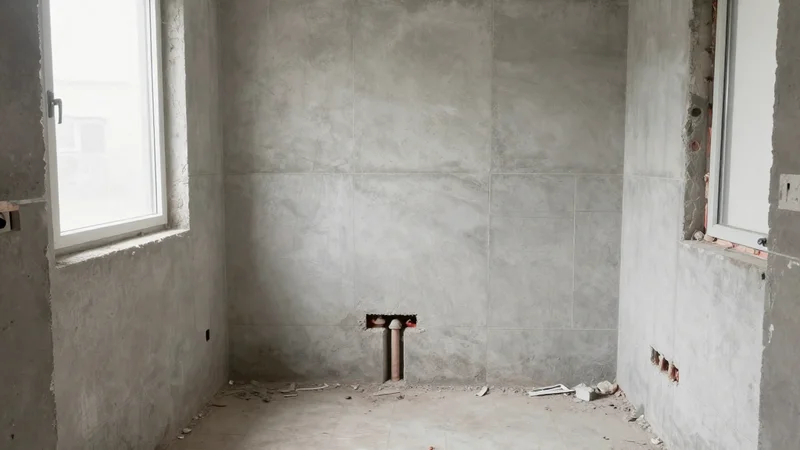
- Protection and strip-out. Protect floors and routes through the house, isolate water and electricity to the room, then remove fixtures, tiles and, where needed, the old screed down to the slab.
- Inspection of what is exposed. This is the moment to check for damaged pipes, old leaks, cracked slabs or rusted rebar. Any surprises should be discussed and priced before work continues.
- Plumbing first fix. New supply pipes, drains and the concealed parts of mixers and cisterns. The supply should be pressure-tested before it is covered.
- Electrical first fix. Cables and back boxes for lighting, the fan and any sockets, positioned to suit the zones around water. Fixed wiring in Qatar should be done by qualified electricians in line with KAHRAMAA's wiring requirements.
- Floor screed with falls. The floor, and especially the shower area, is screeded so water runs to the drain. Getting this right is what stops puddles later.
- Wall preparation. Chases are filled, walls rendered or boarded, and surfaces made flat and sound enough for the tile size chosen.
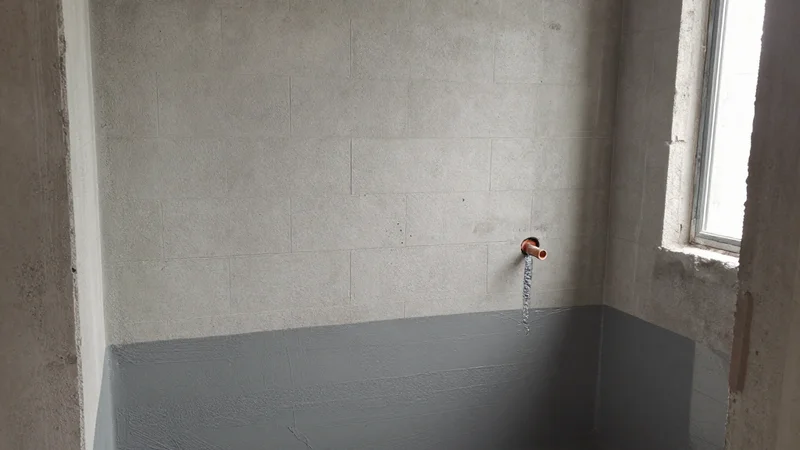
- Waterproofing and water test. A waterproofing membrane is applied to the floor and up the walls, with extra height in the shower zone and reinforcement at corners, drains and pipe penetrations. A flood test before tiling checks that it holds.
- Tiling. Floor and wall tiles are set out so cuts fall in sensible places, fixed with suitable adhesive coverage, and grouted. Movement joints at corners and changes of plane are sealed with a flexible sealant rather than grout.
- Gypsum or ceiling work and painting, where included, using moisture-resistant materials.
- Second fix. Toilet, basin, shower trims, accessories, lights, fan and mirror are installed and connected.
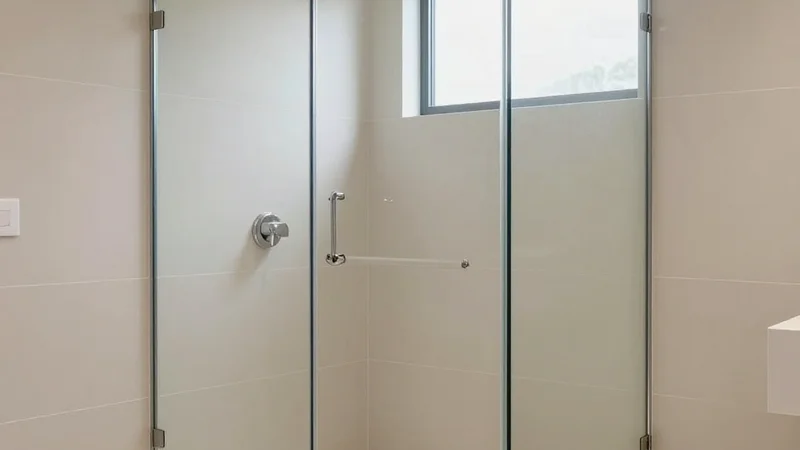
- Glass and silicone. Shower glass is fitted after tiling and fixtures, followed by final sealing.
- Testing and handover. Every tap, drain and flush is tested, drains are checked for flow, and the room is cleaned.
The steps you cannot see later
Three stages decide whether a bathroom lasts, and all three end up hidden behind tiles:
Pipework and pressure testing
New supply lines should be tested under pressure before they are buried. Ask to see the test, and take photos of pipe routes before the walls are closed so you know where not to drill later.
Floor falls
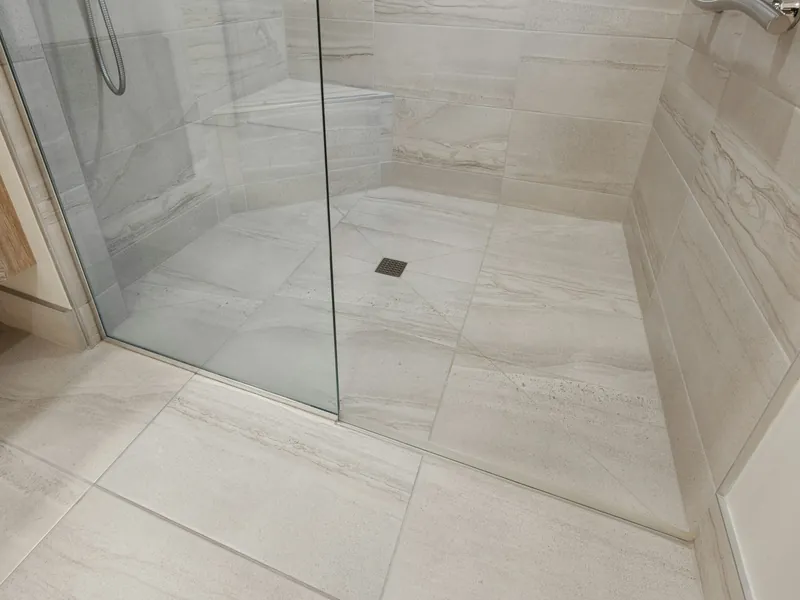
Without a proper fall, water collects at the shower edge or creeps under the door. With large tiles and linear drains, the falls need even more careful planning because big tiles cannot bend to follow a slope.
Waterproofing
In wet areas the tiles and grout are not the waterproof layer. The membrane underneath is. It should go across the whole floor, up the walls at the edges, higher around the shower, and be detailed carefully around the drain and every pipe.
Our separate guide to bathroom waterproofing before tiling explains what good work looks like at each of these points.
Tiling decisions that affect the result
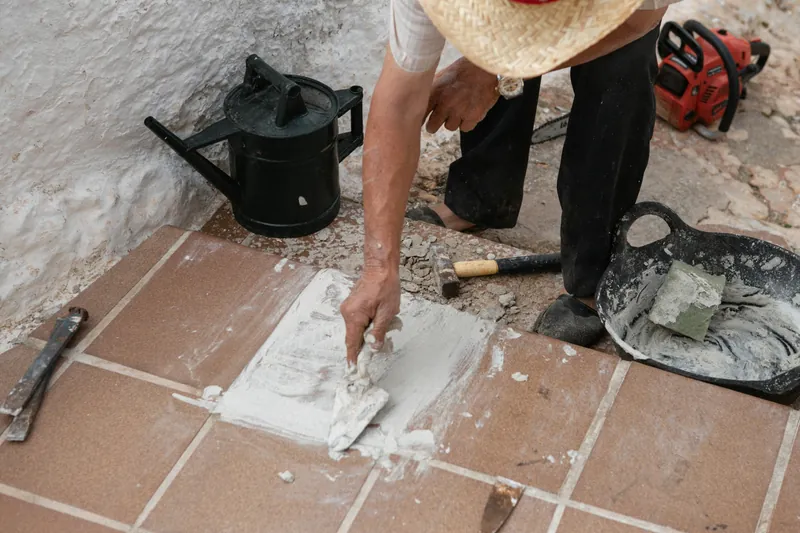
- Floor slip resistance. Choose floor tiles intended for wet areas; polished tiles that look good in a living room can be slippery in a shower.
- Tile size and substrate. Large-format tiles look clean with fewer joints but need very flat walls and floors, more adhesive coverage and levelling systems.
- Setting out. Agree where tiles start, where cuts go and how niches, mixers and the drain line up with the grout lines before tiling begins.
- Grout and sealant. Use grout suited to wet areas and flexible sealant, not grout, in internal corners and around the bath or shower tray.
Our tiling and marble team can advise on tile choice and setting out during the site visit.
What drives the cost
No honest contractor can quote a bathroom properly without seeing it. These are the factors that move the price most:
- The size of the room and the area of wall and floor tiling, measured on site
- Strip-out depth: tiles only, or down to the slab including old screed
- Layout changes, especially moving the toilet or converting a bath to a shower
- The condition of the existing pipes, drains and slab once exposed
- Concealed systems such as wall-hung toilets and built-in mixers
- Tile type and size, and the amount of cutting the design needs
- Waterproofing system and the area covered
- Glass enclosure, vanity units, mirrors and lighting
- Building rules on working hours and access in apartments
The fixtures and tiles you choose can vary a lot, so ask for a quotation that separates labour and preparation from the items you are supplying or selecting.
How long it takes
A full renovation of a typical bathroom takes noticeably longer than people expect, because several stages need curing or drying time before the next one can start: screeds, render, waterproofing coats, tile adhesive and grout. Layout changes, special-order items and building working-hour limits add time. Ask your contractor for a stage-by-stage schedule after the site visit rather than a single number.
Common mistakes
- Starting demolition before fixtures and tiles are chosen and available
- Tiling over old tiles without checking that they are sound and that the floor height still works with the door
- Skipping the pressure test or the waterproofing flood test to save a day
- No proper fall to the shower drain
- Grout instead of flexible sealant in corners and around the tray
- No outside-vented extractor fan
- Choosing a polished floor tile for a wet area
Questions to ask your contractor
- What exactly is included: strip-out depth, plumbing, electrical, waterproofing, tiling, fixtures, glass?
- Will the new pipes be pressure-tested, and will the waterproofing be flood-tested before tiling?
- Which waterproofing system will you use, and how high will it go on the walls?
- How will you form the falls to the drain?
- What happens if you find damage after strip-out, and how will extra work be priced?
- What is the stage-by-stage schedule, and who is my point of contact?
- What does your workmanship warranty cover?
Frequently asked questions
Can new tiles be laid over old tiles?
Sometimes, if the old tiles are firmly bonded, flat and free of leaks, and the extra thickness still works with the door and drains. In a full renovation, removing them is usually better because it allows the waterproofing and pipes to be checked and renewed.
Can I move the toilet to another wall?
It depends on the drain route and the fall available. In villas it is often possible with some floor or slab work; in apartments the building's drainage may not allow it. The site visit should confirm this before you commit to a layout.
Do I need to replace the old pipes?
In a full renovation where walls are opened, renewing supply pipes and checking drains is sensible, because reaching them later means breaking the new tiles. The decision should be based on what is found after strip-out.
Can I use the bathroom during the renovation?
No. Once work starts the room is out of use until the final connections and testing are done, so plan for another bathroom in the meantime.
Do I need approval to renovate my apartment bathroom?
Most buildings require building management approval and set working hours. Tenants also need the landlord's written consent. Check this before booking the work.
Next steps
Collect photos of the current bathroom, note what you want to change and what bothers you about it now, such as slow drains, damp, low pressure or a slippery floor. With that, a site visit can turn into a clear scope and a quotation that reflects the real work. Our bathroom renovation service covers the full sequence from strip-out to handover, and you can see our wider renovation services if the bathroom is part of a bigger project.
Choosing a shower screen? Read our guide to frameless and framed glass showers.
If the room below already shows damp patches, our guide to roof and ceiling leaks after rain explains how leak sources are traced in a villa.
Sources and further reading
- KAHRAMAA Electricity Wiring Code: km.qa (PDF)
- Qatar Construction Specifications (QCS 2014) overview, Gulf Times: gulf-times.com
This guide gives general information for property owners in Qatar. Every building is different, so the right solution depends on an on-site inspection. Regulations change; confirm current requirements with the relevant authority or an accredited consultant. Photos credited to Unsplash are stock images, and images marked illustrative are AI-generated. Neither shows an Ample Trading project.