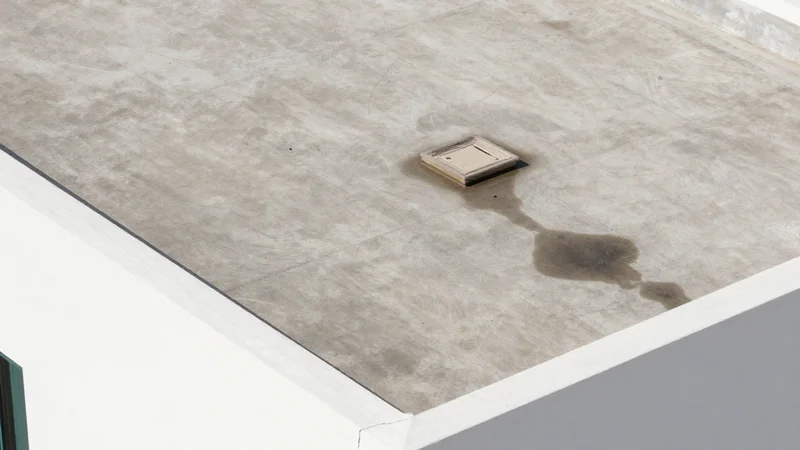
The clearest sign of a hidden leak is a water meter that keeps moving when every tap, appliance and tank inlet in the house is off. Other signs are a water bill that rises without a change in use, damp patches or bubbling paint on walls or ceilings, a musty smell, warm spots on floors, or a pump that keeps starting by itself. Most hidden leaks in Qatar homes are at toilet cisterns, tank float valves, concealed pipe joints and shower mixers.
A slow leak can run for months before anyone notices. In a hot climate, surface moisture can dry quickly and hide the evidence, while water keeps soaking into blockwork, screeds and ceilings out of sight. Finding it early protects both your bill and your building.
Warning signs to look for
- A water bill noticeably higher than the same period last year, with no new occupants, garden or pool use
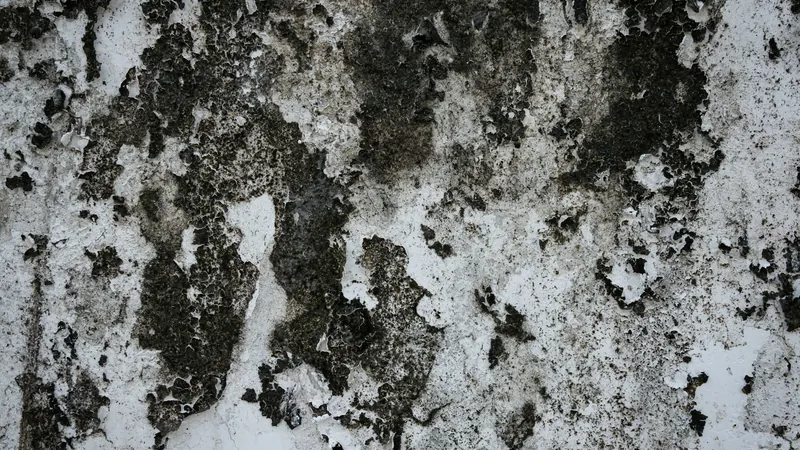
- Damp patches, tide marks or bubbling paint on walls, often low down near bathrooms and kitchens
- Brown stains on the ceiling below a bathroom, kitchen or roof tank
- Loose or hollow-sounding tiles near wet areas
- A musty or mouldy smell in a closed room or cupboard
- Water around the base of the toilet, under the sink or near the water heater
- The booster pump cycling on and off when no tap is open
- Overflow pipes from roof tanks dripping or running
- Low pressure at some outlets that was not there before
The simple meter test
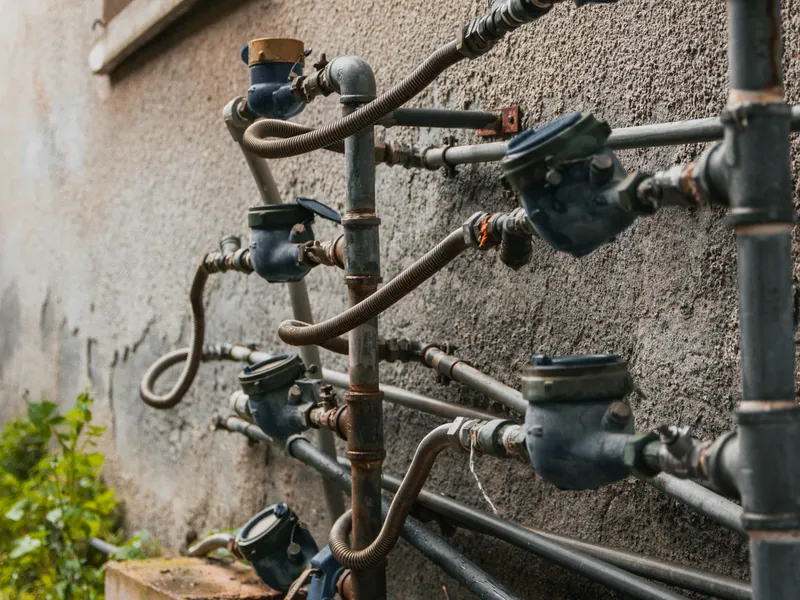
You can do this yourself in a few minutes, and it tells you whether water is being lost somewhere after the meter.
- Turn off every tap, shower and outdoor hose. Make sure the washing machine, dishwasher and irrigation are not running.
- Check that no toilet is refilling.
- If your house has roof tanks, note whether the tank inlet is filling. A tank that is topping up will move the meter even with no leak. Wait until it is full, or close the tank inlet valve if you can reach it safely.
- Read the meter, or photograph the dials, including the small fast-moving indicator.
- Wait 30 to 60 minutes without using any water, then read it again.
If the reading has changed, water is going somewhere. To narrow it down, repeat the test with individual isolation valves closed, for example the supply to one bathroom or to the tank, and see which one stops the meter.
If the meter moves even with the main valve after it closed, or you suspect a fault with the meter or the supply before it, that side belongs to KAHRAMAA, so contact them through their official channels.
Where hidden leaks usually are
Toilet cisterns
A worn flush valve or fill valve lets water trickle into the bowl constantly. You may hear a faint hiss, or see a thin ripple in the bowl. Concealed cisterns behind walls are easy to miss.
Roof tank float valves and overflows
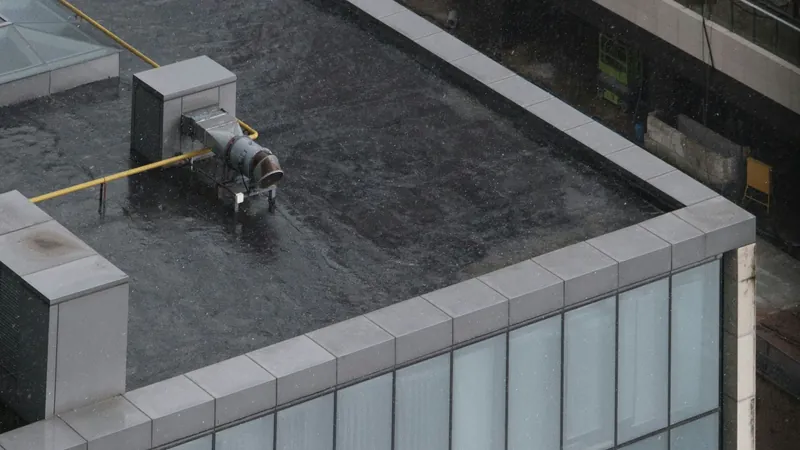
Many villas store water in roof tanks. If the float valve does not shut properly, water runs out of the overflow pipe all day, often unnoticed on a roof nobody visits.
Concealed pipe joints
Joints inside walls and floors, especially near mixers, can weep slowly. Heat and pressure changes over years make older joints more likely to fail.
Shower and bath mixers
The body of a concealed mixer sits inside the wall. A small leak there soaks the wall behind the tiles and may show up in the next room.
Water heaters
Pressure relief valves, connections and old tanks can drip into ceilings or cupboards.
Drainage, not supply
Not every damp patch is a supply leak. Failed bathroom waterproofing, blocked condensate lines from air conditioning, or a cracked drain can all cause damp without moving the water meter. If the meter test is clean but damp persists, the cause is more likely drainage, waterproofing or condensate.
How a plumber traces the leak
- Confirm the loss with a meter test and isolation of each branch.
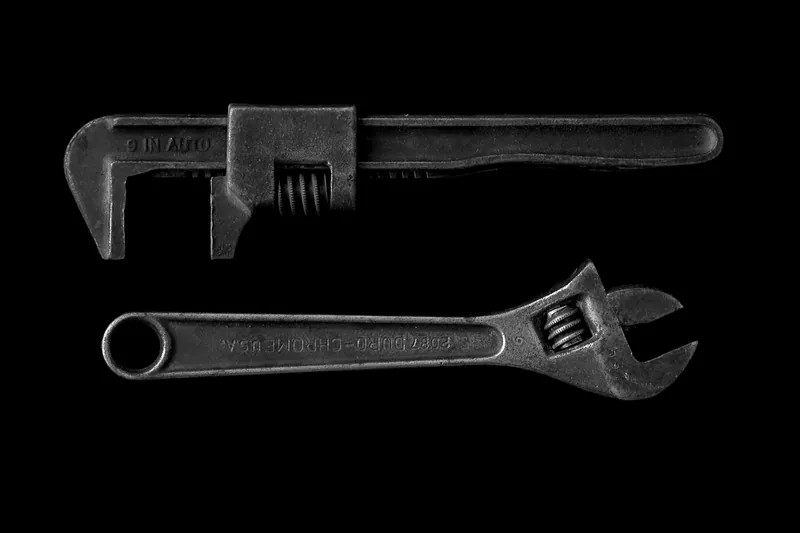
- Inspect the usual suspects: cisterns, tank valves, heaters, visible joints.
- Pressure test isolated sections of pipe to see which one loses pressure.
- Check moisture in walls and floors with a moisture meter to narrow the area.
- Open up only where needed, removing as few tiles as possible, then repair.
Depending on the case, specialist leak detection equipment may help pinpoint a concealed leak before any tiles are removed.
After the leak is found
- Repair or replace the failed part, and consider renewing nearby joints of the same age.
- Let walls and screeds dry properly before closing up or repainting, or the damage will return.
- Replace damaged gypsum ceilings and paint with moisture-resistant materials.
- Photograph the repair and pipe routes before closing, for future reference.
What affects the cost
- How quickly the source can be isolated and located
- Whether the leak is in an exposed fitting or inside a wall or floor
- The amount of tiling, ceiling or wall finish that has to be opened and reinstated
- The condition of nearby pipes and whether more than a single joint needs renewing
- Drying time and any secondary damage to finishes
Prevention
- Do the meter test every few months, and whenever the bill jumps
- Check roof tank overflows and float valves as part of routine maintenance
- Listen for toilets that keep refilling and fix them promptly
- Know where your main valve and branch isolation valves are
- Have the water heater checked periodically
Frequently asked questions
Why is my water bill high when I cannot see any leak?
The most common hidden causes are a toilet cistern that keeps running, a roof tank float valve that does not shut, or a concealed pipe joint. The meter test shows whether water is being lost.
Who is responsible for a leak before the meter?
The supply network and meter are KAHRAMAA's responsibility. Pipes and fittings after the meter, inside your property, are normally the owner's or landlord's responsibility depending on the lease.
Can a hidden leak damage the structure?
Over time, yes. Persistent moisture can damage finishes, encourage mould and, in severe cases, corrode reinforcement in concrete. Early repair is much cheaper.
Will a plumber need to break my tiles?
Not always. Isolating branches, pressure testing and moisture readings narrow the area so only the necessary tiles are opened.
Next steps
Do the meter test today if your bill has gone up. If water is being lost, isolate branches to narrow it down, and call a plumber before damage spreads. Our plumbing services cover leak tracing, repairs and pipe renewal, and our building maintenance team can add tank and fixture checks to a regular visit. If damp appears below a bathroom, read our guide on ceiling leaks and how sources are traced.
For wet areas being rebuilt, see bathroom waterproofing before tiling.
Add tank and leak checks to your year-round villa maintenance calendar.
Sources and further reading
- KAHRAMAA (Qatar General Electricity and Water Corporation): km.qa
This guide gives general information for property owners in Qatar. Every building is different, so the right solution depends on an on-site inspection. Regulations change; confirm current requirements with the relevant authority or an accredited consultant. Photos credited to Unsplash are stock images, and images marked illustrative are AI-generated. Neither shows an Ample Trading project.