In Qatar, villa maintenance follows the climate: prepare air-conditioning, electrics and roofs before the summer heat, check roofs, drains and waterproofing in autumn before the winter rains, and use the mild months for painting, sealing and bigger repairs. Monthly quick checks of tanks, leaks and filters catch most problems before they become expensive.
Most expensive repairs start small: a blocked roof drain, a dripping tank valve, a cracked sealant joint, a tired AC unit. A simple calendar turns those into routine jobs instead of emergencies in the middle of August.
The calendar below is a general guide for villas. Adjust it to your property's age, size and equipment, and to manufacturers' service intervals.
Why Qatar needs its own calendar
Qatar's hot season runs roughly from June to mid-September, with high humidity at times. Rain is infrequent and falls mostly between December and February, sometimes in heavy bursts. Dusty, windy spells also deposit sand on roofs, in drains and in AC units. Each season puts a different load on the building, so the timing of checks matters as much as the checks themselves.
March to May: prepare for summer
The weather is still workable, and this is the last good window before the heat.
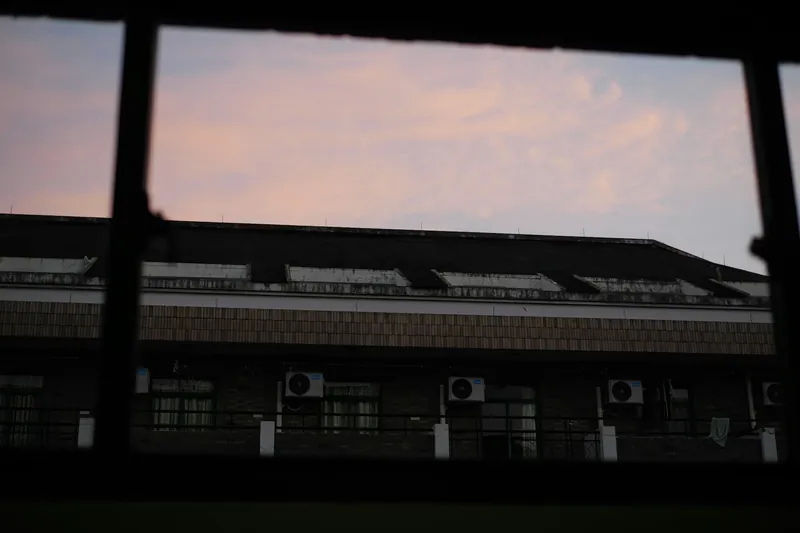
- Air-conditioning: service every unit, clean filters and coils, check refrigerant and drainage of condensate lines.
- Electrics: have the distribution board checked; look for warm, discoloured or buzzing breakers and sockets before peak AC load.
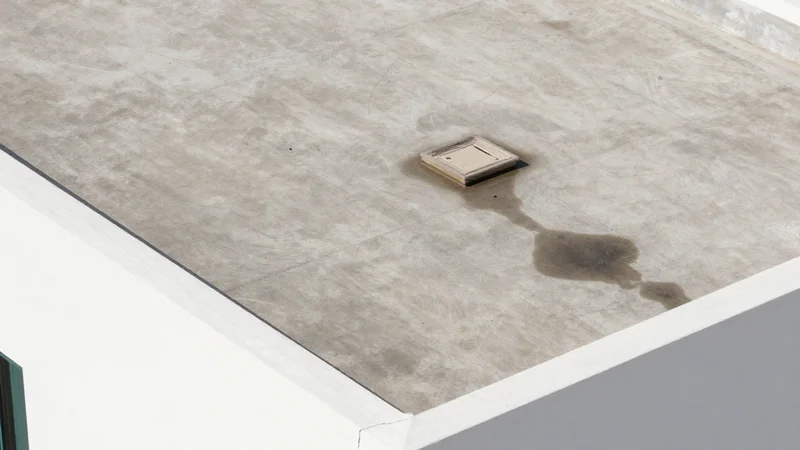
- Roof: clear sand from drains and check membrane condition, especially around AC stands.
- Water tanks: inspect, clean if due, check float valves and lids.
- External sealants: windows and doors, to keep dust and heat out.
- Exterior painting and render repairs, before temperatures make application difficult.
June to mid-September: protect and monitor
Keep heavy work to a minimum and focus on keeping systems running.
- Clean or change AC filters more often; dust and constant running clog them quickly.
- Watch for AC condensate leaks into ceilings.
- Check the water heater and booster pump; listen for a pump cycling with no taps open.
- Keep an eye on breakers that trip under load and get them checked rather than resetting repeatedly.
- Look at the roof after dusty, windy days and clear drains if sand has built up.
- Plan any autumn work now so contractors can be booked.
Mid-September to November: prepare for the rains
This is the most important season for preventing leaks.
- Roof inspection: membrane, parapets, upstands, penetrations and drains. Repair or re-waterproof before December.
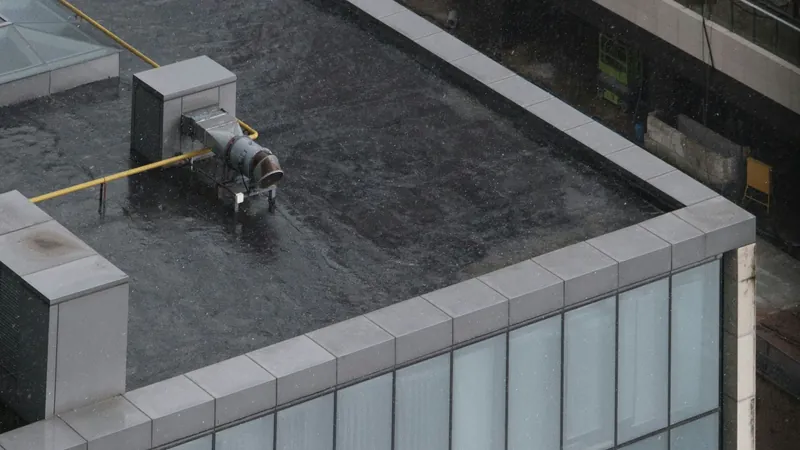
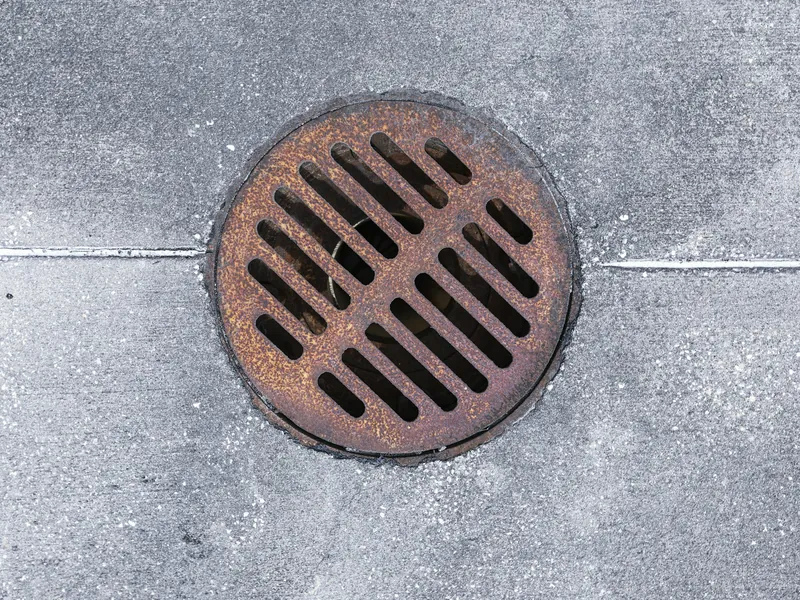
- Drainage: clear roof drains, gutters, downpipes and courtyard gullies.
- Bathrooms: check grout and silicone, and look for signs of leaks into rooms below.
- Balconies and terraces: check falls, drains and door thresholds.
- External walls: seal cracks in render and around window frames.
- Schedule interior painting or renovation work for the cooler months.
December to February: watch and respond
- After each heavy rain, walk the house: ceilings, window heads, walls under the roof and around balconies.
- Check that roof and courtyard drains are carrying water away.
- Photograph and date any stains, so the source can be traced.
- Use the mild weather for interior works, gypsum, tiling and repainting.
Every month
- Water meter test with everything off, to catch hidden leaks
- Look under sinks and around toilets and the water heater
- Check AC filters
- Test RCD/earth-leakage breakers using their test button if your electrician advises it
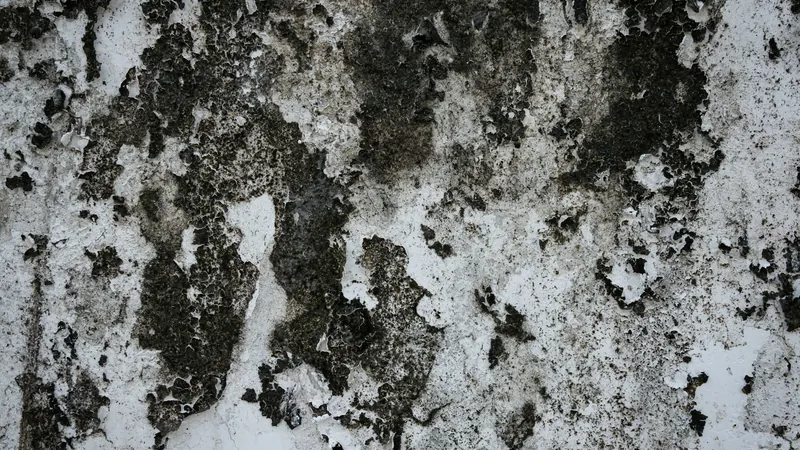
- Look for new cracks, damp or peeling paint
Once a year
- Full roof and waterproofing inspection
- Water tank cleaning and inspection as recommended
- Electrical inspection of the board, earthing and high-load circuits
- Plumbing check of valves, heaters and visible joints
- Door and window hardware, seals and alignment
- External render and paint condition
Do it yourself, or an annual maintenance contract?
Simple checks such as filters, meter tests and visual inspections are easy for owners. Roof work, electrical inspection, tank cleaning and AC servicing need trained people and the right equipment. An annual maintenance contract (AMC) bundles scheduled visits and priority call-outs, which suits larger villas, landlords and property managers. Whatever you choose, ask for a written checklist of what each visit covers and a short report afterwards.
Common mistakes
- Waiting for the first rain to discover roof problems
- Servicing AC only after it fails in summer
- Resetting a tripping breaker repeatedly instead of finding the cause
- Ignoring a roof tank overflow that runs all day
- Repainting damp walls without fixing the source
Frequently asked questions
When is the best time to do roof waterproofing in Qatar?
After the summer heat and before the winter rains, roughly October and November, when temperatures suit most systems and any problems can be fixed before rain arrives.
How often should AC units be serviced?
Follow the manufacturer's guidance, but in Qatar's dust and heat many owners service before summer and clean filters frequently during the hot months.
How often should water tanks be cleaned?
Follow the guidance of the relevant authorities and your tank supplier, and inspect them at least during routine maintenance visits.
What does an annual maintenance contract usually include?
It varies by company. Ask for a written scope listing visit frequency, systems covered, response times and what counts as extra work.
Next steps
Print the season list that applies now and walk your villa this week. Note anything that needs a professional, and book it before the season changes. Our building maintenance team handles scheduled visits and small repairs, and our waterproofing service covers roofs and wet areas. For roof problems, see our guide to roof leaks after rain, and for unexplained water bills, our guide to hidden water leak signs.
Sources and further reading
- Qatar Meteorology Department climate summary, as reported by The Peninsula: thepeninsulaqatar.com
This guide gives general information for property owners in Qatar. Every building is different, so the right solution depends on an on-site inspection. Regulations change; confirm current requirements with the relevant authority or an accredited consultant. Photos credited to Unsplash are stock images, and images marked illustrative are AI-generated. Neither shows an Ample Trading project.