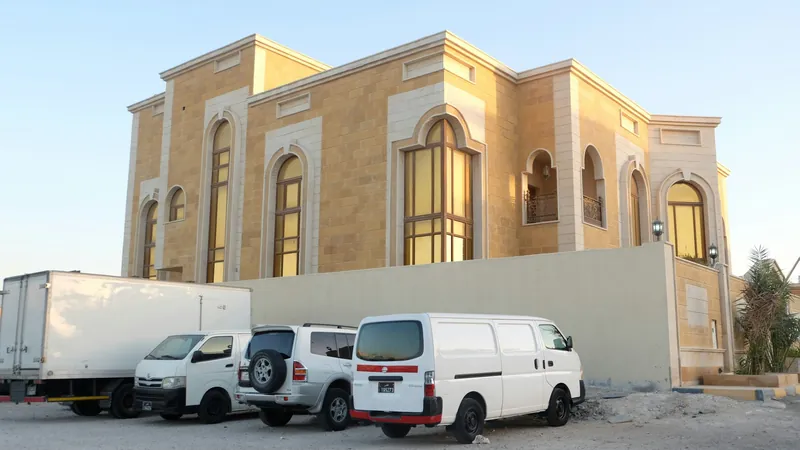
Exterior paint in Qatar fails mainly from strong UV, heat, dust and moisture behind the coating, not from the paint alone. A lasting result needs cracks repaired, loose and chalky paint removed, the surface cleaned and primed, and then an exterior system rated for UV and heat, often an elastomeric or high-quality acrylic coating, applied in suitable temperatures. The cooler months are the best time to paint.
A fresh facade transforms a villa, but in Qatar it can fade, chalk or peel within a few years if the wrong product is used or the preparation is rushed. Most of the lifespan is decided before the first coat.
Why exterior paint fails in Qatar
- UV and heat: intense sun breaks down binders and pigments, causing fading and chalking. Dark colours absorb more heat and move more.
- Thermal movement: walls expand by day and contract at night, opening hairline cracks that rigid paints cannot bridge.
- Dust and salt: dust on the wall during painting stops paint bonding; coastal salt can affect render and paint.
- Moisture: water from roof leaks, parapets, AC condensate or irrigation behind the paint pushes it off as blisters and peeling.
- Poor preparation: painting over chalky or loose paint, or over cracks, guarantees early failure.
Reading the signs on your walls
| Sign | Likely cause |
|---|---|
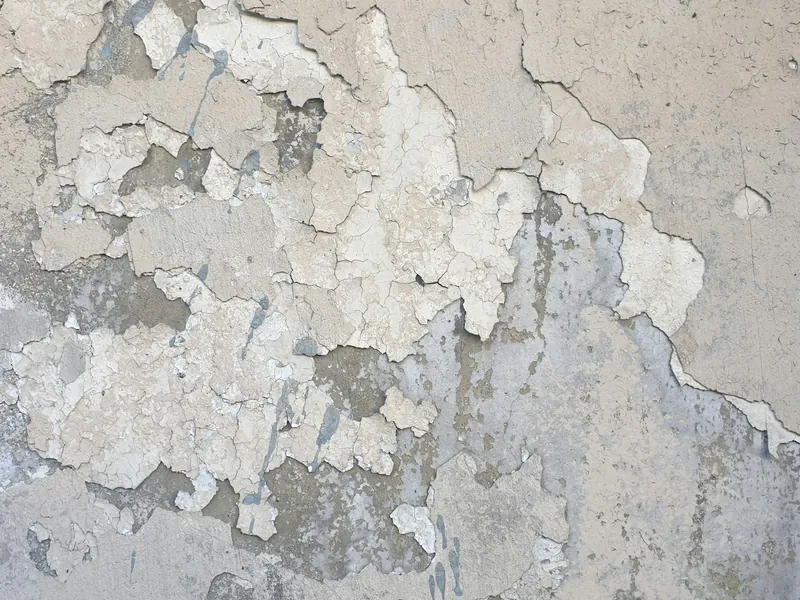
| Chalky powder on your hand | UV breakdown; needs cleaning and a stabilising primer |
| Fading, especially on south and west walls | UV exposure; consider UV-resistant colours and products |
| Blisters and peeling in patches | Moisture behind the paint, or painting over dust or chalk |
| Hairline cracks in a map pattern | Render shrinkage; often bridged by flexible coatings |
| Wider or stepped cracks | Movement or structural issues; investigate before painting |
| Stains under parapets and window sills | Water run-off; check copings and drip details |
Choosing the paint system
- Exterior acrylic emulsions: good general choice for sound render, breathable, available in UV-resistant formulations.
- Elastomeric coatings: thicker, flexible films that can bridge fine cracks. Useful on render with hairline cracking. They must suit the substrate and be applied at the right thickness.
- Textured finishes: hide minor surface irregularities and are common on Gulf villas.
- Primers and sealers: chosen for the substrate, whether new render, chalky old paint or repaired areas.
Colour matters too. Light colours reflect more heat, fade less visibly and keep walls cooler. If you choose a strong or dark colour, ask about UV-stable pigments.
Preparation, step by step
- Inspect for cracks, damp, hollow render and water sources such as roof edges and AC lines.
- Fix water problems first. Paint will not stay on a wet wall.
- Repair render: cut out and patch hollow or broken areas; treat cracks with suitable fillers or flexible systems.
- Remove loose and flaking paint.
- Clean dust, salt and chalk. A clean, dry surface is essential.
- Prime with a primer suited to the surface.
- Apply finish coats at the manufacturer's recommended coverage and drying times.
When to paint in Qatar
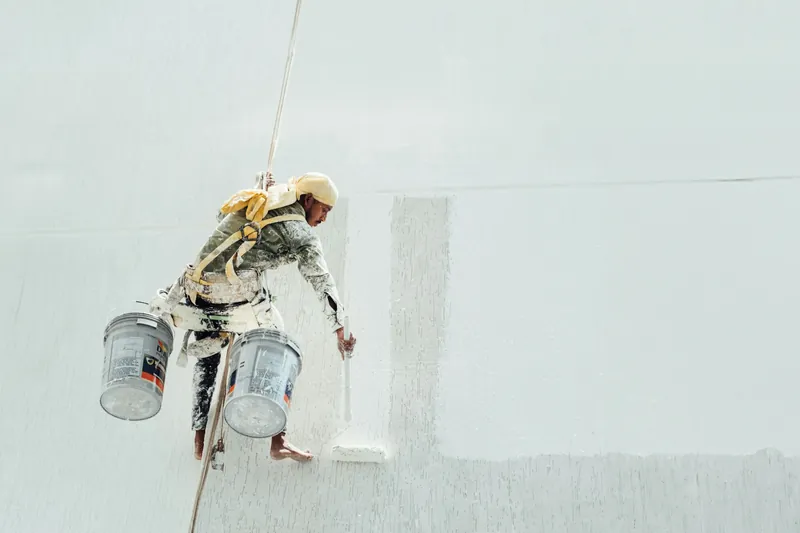
Most exterior paints have limits on surface and air temperature during application. In summer, walls in direct sun can become too hot, making paint dry too fast and bond poorly. The cooler months, roughly October to April, are best. If work must happen in warmer months, painting shaded elevations, avoiding midday sun and following the product's temperature limits help. Avoid painting just before rain or during dusty, windy weather.
Access and safety
Two-storey villas usually need scaffolding or safe access equipment, not ladders alone. Protect windows, AC units, plants and paving, and keep the area safe for family members and neighbours during the work.
What affects the cost
- Wall area and height, measured on site
- Scaffolding or access needs
- The extent of render repairs and crack treatment
- Paint system: primer, number of coats, elastomeric or textured finishes
- Detail work: parapets, mouldings, gates, boundary walls
- Protection and cleanup
Common mistakes
- Painting over chalky or flaking paint
- Ignoring the water source behind blistering
- Applying in direct midday summer sun
- Using interior paint outdoors
- Skipping primer on repairs
- Choosing dark colours without UV-stable products
Frequently asked questions
How often should a villa exterior be repainted in Qatar?
It depends on the paint system, colour, exposure and preparation. Inspect yearly and repaint when chalking, fading or cracking becomes noticeable, rather than on a fixed schedule.
Is elastomeric paint always better?
Not always. It is useful on render with fine cracks, but it must suit the substrate and be applied correctly. A good acrylic system can perform well on sound walls.
Can I paint in summer?
It is possible with care, but the cooler months are better. Follow the product's temperature limits and avoid painting walls in direct sun.
Why is my new paint peeling already?
The most common causes are moisture behind the paint, painting over dust or chalk, or skipping a suitable primer.
Next steps
Walk around the villa and note chalking, cracks, blisters and stains, then fix water sources before booking painters. Our painting services cover interior and exterior work, and our building maintenance team handles render repairs and sealing. Add exterior checks to your year-round maintenance calendar, and see our guide to roof leaks if stains start near the parapet.
This guide gives general information for property owners in Qatar. Every building is different, so the right solution depends on an on-site inspection. Regulations change; confirm current requirements with the relevant authority or an accredited consultant. Photos credited to Unsplash are stock images, and images marked illustrative are AI-generated. Neither shows an Ample Trading project.