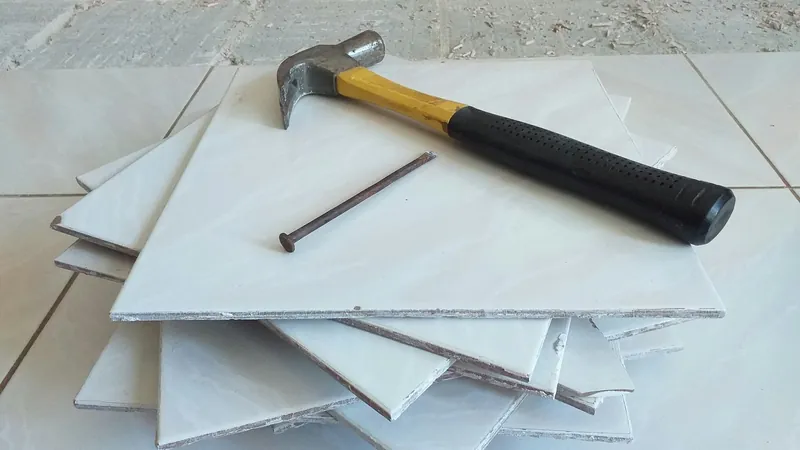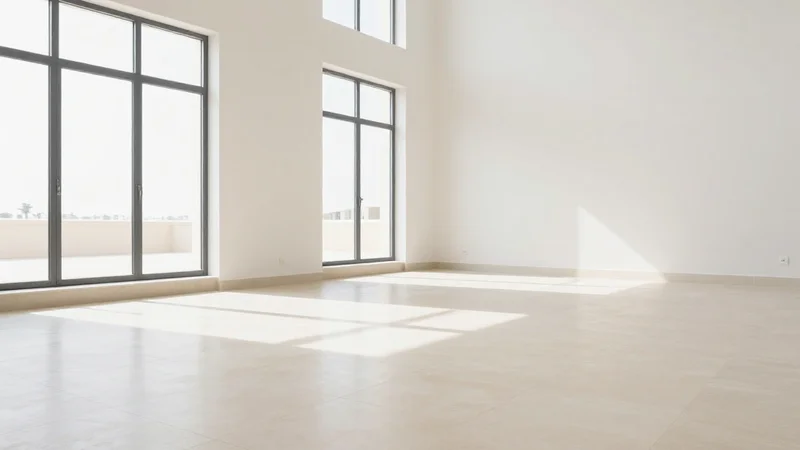
For most floors in Qatar homes, porcelain is the practical choice: very low water absorption, hard-wearing, easy to clean and stable in heat. Ceramic suits walls and light-traffic areas at a lower cost. Marble gives a natural, high-end look for majlis, halls and stairs, but it is softer, etches with acids and needs sealing and periodic polishing. Granite sits between them, harder and more stain-resistant than marble.
Floors in Qatar take a lot: sand carried in from outside, heavy furniture in majlis rooms, frequent mopping, and intense sun near windows and terraces. The right surface depends on the room, the traffic and how much maintenance you are willing to do.
The quick comparison
| Porcelain | Ceramic | Marble | |
|---|---|---|---|
| Water absorption | Very low | Higher | Natural stone, porous unless sealed |
| Hardness and wear | High | Moderate | Softer; scratches and dulls |
| Stains and acids | Resistant | Glaze resists, body less so | Etched by acids (lemon, vinegar, some cleaners) |
| Typical use | Floors, walls, wet areas, terraces | Walls, light-traffic floors | Majlis, halls, stairs, feature walls |
| Maintenance | Low | Low | Sealing and periodic polishing |
| Look | Huge range, including stone and marble effects | Wide range of colours and patterns | Unique natural veining |
Porcelain
Porcelain tiles are made from refined clays fired at high temperatures, which makes them dense with very low water absorption. That is why they work in bathrooms, kitchens and on covered terraces as well as living areas.
- Full-body vs glazed porcelain: in full-body porcelain the colour runs through the tile, so chips show less. Glazed porcelain has a printed surface, which allows realistic stone and marble looks.
- Large formats: large slabs give a clean look with few joints, but need a very flat substrate, good adhesive coverage and skilled setting out.
- Finish: polished porcelain looks glossy but can be slippery when wet. Matte or textured finishes suit bathrooms, kitchens and outdoor areas.
Ceramic
Ceramic tiles are fired at lower temperatures and absorb more water. They are lighter, easier to cut and usually cheaper. They are a good choice for bathroom and kitchen walls, backsplashes and low-traffic floors. For busy floors, entrances and wet floors, porcelain is generally the safer option.
Marble and granite
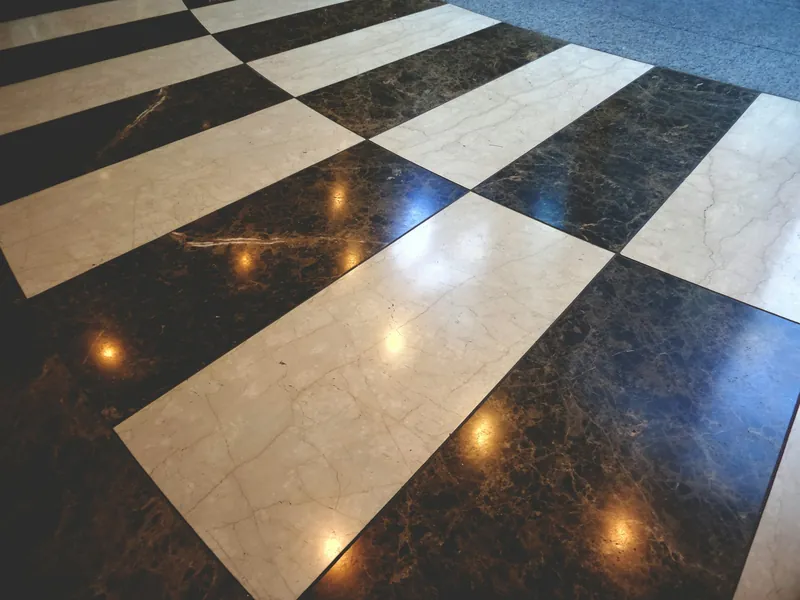
Marble is a natural stone with a look no tile fully copies. Each slab is different, and it is a traditional choice for majlis rooms, entrance halls and staircases in Qatar villas. The trade-offs are real:
- It is softer than porcelain, so sand under shoes can scratch and dull the surface over time.
- It is calcium-based, so acids from lemon, vinegar, some cleaning products and spills etch the surface.
- It is porous and should be sealed, then resealed periodically.
- Polished marble in bathrooms and entrances can be slippery when wet.
Granite is harder and more resistant to scratches and many stains, which makes it popular for kitchen worktops and high-traffic areas. It still benefits from sealing.

Room-by-room suggestions
- Living rooms and bedrooms: porcelain, or marble if you accept the maintenance.
- Majlis and entrance hall: marble or large-format porcelain with a marble look.
- Bathroom floors: matte or textured porcelain with good slip resistance.
- Bathroom walls: porcelain or ceramic.
- Kitchen floors: porcelain. Granite or quartz for worktops.
- Covered terraces: outdoor-rated porcelain with a textured surface.
- Stairs: marble or porcelain with suitable nosing and anti-slip detail.
Installation matters as much as the material
- Substrate: large tiles and stone need flat, sound, cured screeds.
- Adhesive coverage: full coverage, especially for large formats and floors, avoids hollow spots and cracking.
- Movement joints: Qatar's temperature swings make perimeter and field joints important, especially in large areas and near windows.
- Stone-specific adhesives: some marbles stain or warp with the wrong adhesive, so use products suited to natural stone.
- Setting out: plan where cuts fall, how patterns line up and how the floor meets doors and other rooms.
Poor coverage and missing movement joints are the main causes of the problems described in our guide to hollow, cracked and lifting tiles.
What affects the cost
- Material choice, grade and origin, especially for natural stone
- Tile or slab size; large formats need more preparation and handling
- Area, measured on site, plus wastage for cuts and patterns
- Removal of old flooring and screed repairs
- Skirting, stair nosing, thresholds and borders
- Polishing, grinding or sealing for marble
Frequently asked questions
Is porcelain better than marble for a Qatar villa?
For low maintenance and durability, yes. Marble offers a unique natural look and is still a good choice for majlis and halls if you are happy to seal and polish it periodically.
Does marble get damaged by sand?
Fine sand under shoes acts like an abrasive and can scratch and dull polished marble. Entrance mats and regular dry cleaning help.
Are large porcelain tiles more likely to crack?
Not if they are installed properly. Problems usually come from uneven screeds, poor adhesive coverage or missing movement joints.
Can I use ceramic tiles on the floor?
Yes, for low-traffic rooms if the tile is rated for floors. For entrances, kitchens and busy areas porcelain is usually the better choice.
Next steps
Decide on the look you want, then match the material to each room's use. Ask for samples and see them in your own light before ordering. Our tiling and marble service covers supply advice, installation and polishing, and our wider renovation services handle the preparation and finishing around it. If you are redoing a bathroom, read our bathroom renovation planning guide first.
This guide gives general information for property owners in Qatar. Every building is different, so the right solution depends on an on-site inspection. Regulations change; confirm current requirements with the relevant authority or an accredited consultant. Photos credited to Unsplash are stock images, and images marked illustrative are AI-generated. Neither shows an Ample Trading project.