Tiles sound hollow when there is a gap under them, usually from poor adhesive coverage or a weak screed. They crack when the base moves or point loads hit an unsupported area. They lift or "tent" when the floor expands and has nowhere to go, often because movement joints at the edges and in large areas were left out. In Qatar's heat, missing movement joints are a common cause of sudden lifting.
A hollow tile may be harmless for years, or it may be the first sign of a floor about to lift. Knowing the cause decides whether you replace a few tiles or need to deal with the whole floor.
What you might notice
- A drummy, hollow sound when you tap or walk on certain tiles
- Hairline cracks running across one or several tiles
- Cracked or crumbling grout lines
- Tiles that rock slightly underfoot
- Two rows of tiles pushed up into a ridge, sometimes with a loud crack
- Gaps opening along skirting or at doorways
The main causes
Poor adhesive coverage
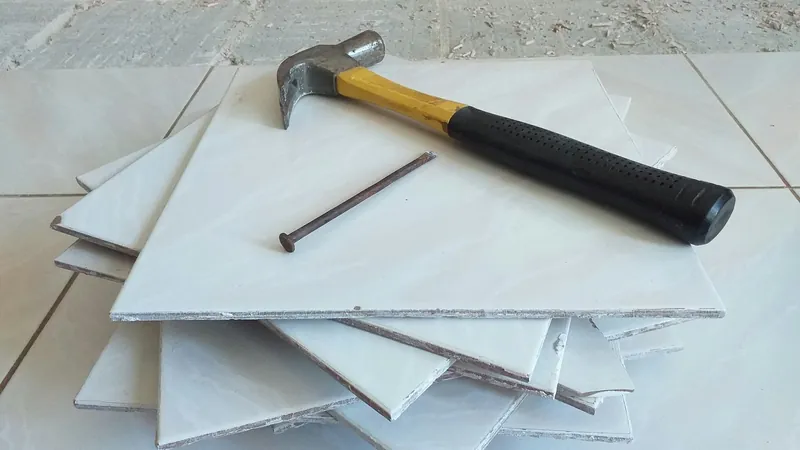
Tiles fixed with a few dabs of adhesive, or with a trowel that leaves bare patches, have voids underneath. These sound hollow and break under point loads such as furniture legs. Large-format tiles need near-full coverage, often with adhesive on both the floor and the back of the tile.
Missing movement joints
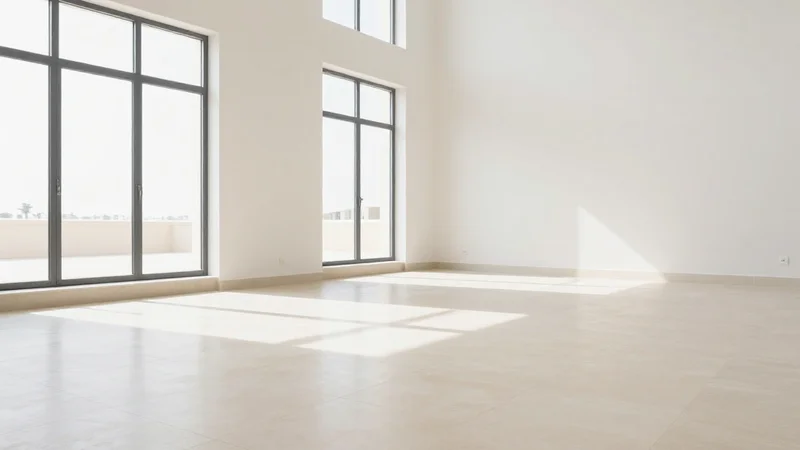
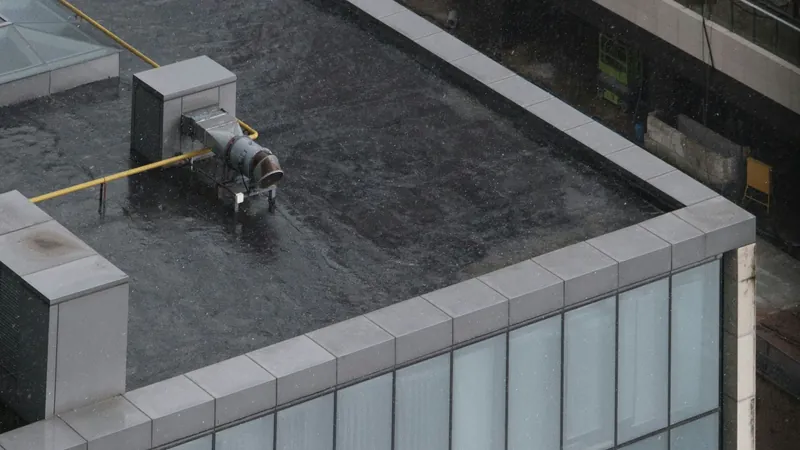
Tiles, adhesive and screed expand and contract with temperature. Floors need flexible joints around the perimeter, at doorways, over structural joints and at intervals in large areas. Without them, stress builds until the tiles debond and push up. Rooms with strong sun through large windows, terraces and big open halls are most at risk in Qatar.
Weak or uncured screed
Tiling onto a screed that was too weak, too wet or not cured lets it shrink or crumble underneath, and tiles lose their bond.
Substrate movement
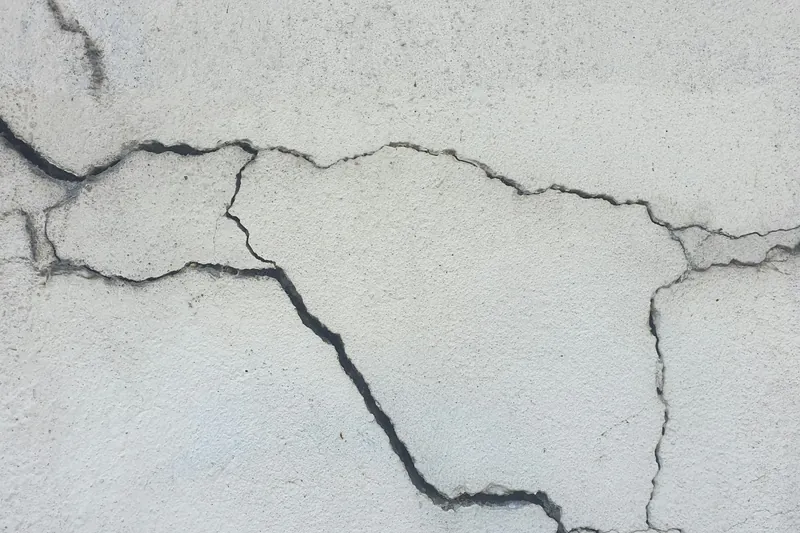
Settlement, cracks in the slab, or the junction between an old floor and a new extension can crack tiles along a line.
Water underneath
Leaks from pipes or failed waterproofing can weaken adhesive and screed over time, especially in bathrooms and kitchens.
Wrong materials
Adhesive not suited to the tile type or size, or grout used where flexible sealant was needed, reduces the floor's ability to cope with movement.
How tiles are checked
- Tap test: tapping each tile with a small rubber mallet or similar to map hollow areas, often marked with tape.
- Look at the pattern: scattered single hollow tiles suggest poor coverage; long lines of cracks suggest substrate movement; ridges suggest missing movement joints.
- Check perimeter and doorways: are there flexible joints, or is grout packed tight against the walls?
- Check for moisture in wet areas.
- Lift a sample tile where needed to see the adhesive pattern and screed condition.

Repair options
| Situation | Usual approach |
|---|---|
| A few hollow tiles, no cracks, no movement | Monitor; replace if they crack or loosen |
| Isolated cracked or loose tiles | Cut out, clean the bed, refix with full coverage, regrout |
| Tiles lifting or tenting | Remove affected rows, create proper movement joints, refix |
| Widespread hollowness across the floor | Consider relaying the floor with correct adhesive coverage and joints |
| Cracks following a line in the slab | Investigate the structure first; tile repairs alone will crack again |
| Damage from water | Fix the leak or waterproofing, dry out, then repair tiles |
Keep spare tiles from the original batch if you can. Matching colour and size later is often difficult.
If tiles suddenly lift
Tenting can happen with a loud crack, and the raised edges can be sharp. Keep people away from the area, especially children, and avoid stepping on the ridge. Do not try to hammer tiles back down; that usually breaks more of them.
Getting it right in a new floor
- Flat, sound and cured screed before tiling
- Adhesive suitable for the tile type and size
- Full coverage for floors and large formats
- Perimeter movement joints hidden behind skirting
- Field movement joints in large areas and at doorways
- Flexible sealant, not grout, at internal corners and changes of plane
- No heavy loads until the adhesive has cured
Frequently asked questions
Is a hollow-sounding tile dangerous?
Not immediately. Many hollow tiles stay in place for years, but they are more likely to crack under point loads. If hollowness is spreading or tiles are moving, have the floor checked.
Why did my tiles suddenly pop up?
Usually because the floor expanded with heat and had no movement joints to absorb it, combined with weak adhesive bond. It often happens in large rooms or areas with strong sun.
Can hollow tiles be fixed without removing them?
Some specialist injection methods exist, but results vary. Cutting out and refixing affected tiles with full coverage is the reliable approach.
Will new tiles match the old ones?
Not always. Colour can vary between production batches, which is why keeping spare tiles is useful.
Next steps
Map the hollow and cracked areas with tape, photograph any ridges and keep people off lifted tiles. Then have the cause identified before repairs, so the fix lasts. Our tiling and marble team handles repairs and relaying, and our building maintenance service covers the small repairs that keep floors safe. If you are choosing a new floor, read porcelain vs ceramic vs marble.
This guide gives general information for property owners in Qatar. Every building is different, so the right solution depends on an on-site inspection. Regulations change; confirm current requirements with the relevant authority or an accredited consultant. Photos credited to Unsplash are stock images, and images marked illustrative are AI-generated. Neither shows an Ample Trading project.